The tournament joins the US and Australian Opens in implementing video review systems.
Video review systems will make its debut at Wimbledon in the upcoming tournament.
Competitors are granted the ability to contest particular calls from the chair umpire, following the system already in use at both the US Open and the Aussie major.
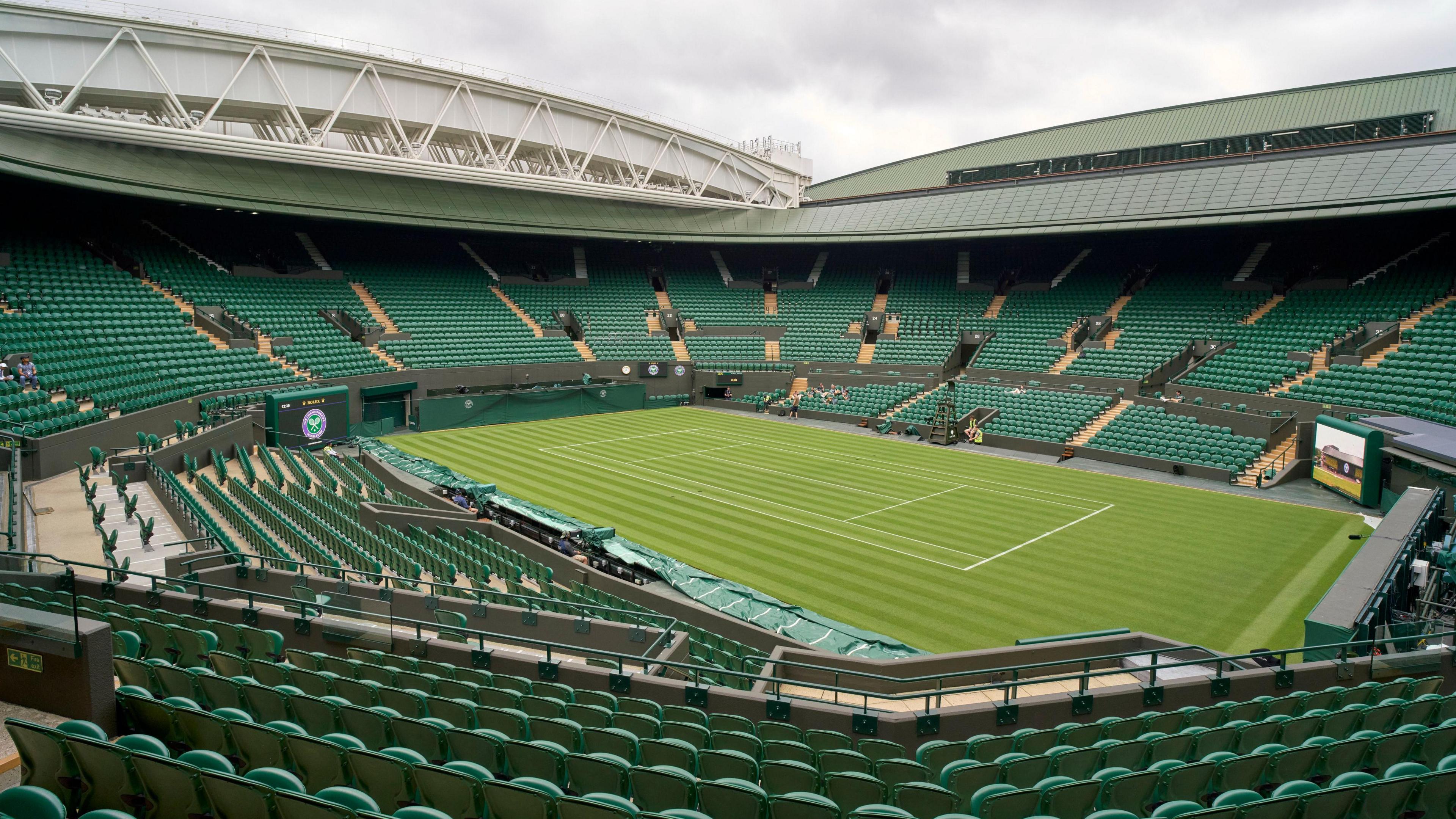
This technology is slated for use on the main stadium and Court One throughout the Championships and on the other four show courts when they are staging singles contests.
This step arrives only a year after the AELTC rolled out electronic line calling, which effectively ended the centuries-old role of line officials.
Reviewable Decisions
Players cannot to dispute the call of the electronic line calling, but are allowed to request the official to re-examine specific decisions, including:
- Whether a tennis ball has double-bounced.
- Whether a ball made contact with an rival's racket or person during play.
- Potential interference at the conclusion of a rally.
Importantly, there will be no cap on the amount of reviews a competitor can request.
A Recent Example
An illustrative example took place in a recent tournament recently, where Daniil Medvedev used the review system against his opponent.
The British player conceded it was a difficult situation for the umpire, but believed his rival had "used the regulations effectively."
Official Aurelie Tourte viewed a replay and determined Draper was guilty of interference, awarding the point to Medvedev.
Wider Implementation
This technology are not new for major tournaments. The system has been in use at the US Open for two years and the Aussie Open since 2025.
Furthermore, it is increasingly prevalent on the WTA circuit, and by next season the ATP circuit will have the system in place at all of its events.
Other Changes
A further change at The Championships this year will be the introduction of graphical cues on displays to support the audio calls from the electronic line calling system.
This solves situations where the crowd have occasionally been uncertain if a ball was out or in.
Finally, with exactly 100 days to go until the beginning of the tournament, the AELTC have also revealed an increase in daily capacity at the qualifying competition in the qualifying venue.

